Regulatory Influences on Digital Payment Solutions for Enthusiasts of Reel-Based Games and Real-Time Table Play
Skriven av Zara Jenkins · 2026-08-24

Regulatory Influences on Digital Payment Solutions for Enthusiasts of Reel-Based Games and Real-Time Table Play
Current Landscape of Digital Payments in Gaming Environments
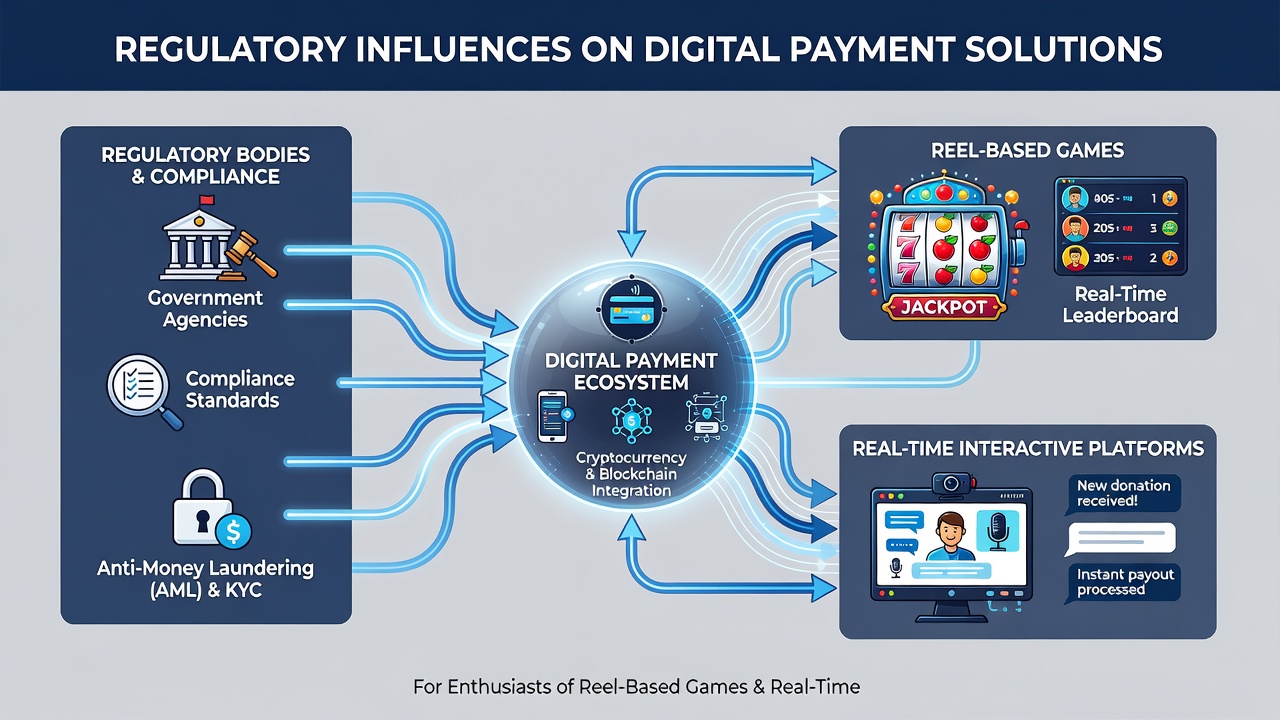
Digital payment solutions have become central to how enthusiasts access reel-based games and real-time table play across various online platforms, with regulations shaping transaction methods, verification processes, and fund transfer speeds in multiple jurisdictions. Data from industry reports indicates that payment service providers must comply with anti-money laundering directives and consumer protection rules that directly influence deposit and withdrawal options available to players, while operators adapt their systems to meet evolving standards set by financial authorities.
Reel-based games often involve frequent small transactions that trigger specific monitoring requirements under existing frameworks, whereas real-time table play tends to feature larger stakes that attract heightened scrutiny from compliance teams. Observers note that these differences lead platforms to offer tailored payment gateways, such as instant bank transfers or digital wallets, which align with regional rules on transaction limits and identity checks.
Key Regulatory Frameworks Affecting Payment Options
European directives like the revised Payment Services Directive have introduced strong customer authentication measures that require two-factor verification for most electronic transfers, a change that has prompted many gaming sites to integrate biometric options and app-based approvals for users engaging in both slot sessions and live dealer tables. In North America, state-level banking regulations combined with federal anti-money laundering statutes create a patchwork where operators in certain markets must route payments through licensed financial institutions, limiting the use of cryptocurrency in some areas while permitting it in others.
Australian financial authorities have enforced rules on digital currency exchanges that intersect with gaming payments, requiring platforms to report high-value transfers and implement customer due diligence protocols before funds reach player accounts. Research indicates these measures have standardized reporting across borders, allowing enthusiasts to move between reel-based and table formats without repeated onboarding steps in compliant environments.
August 2026 saw several updates to cross-border payment standards in the EU and select Asian markets, wth new guidelines on open banking interfaces that enable faster verification for recurring deposits common in live table sessions. Those who've tracked these developments observe that the changes reduce processing times for approved users while maintaining safeguards against unauthorized activity.
Impacts on Reel-Based Game Enthusiasts
Players focused on reel-based games encounter payment regulations that emphasize speed and low fees for micro-transactions, leading providers to adopt e-wallet solutions compliant with consumer credit rules in multiple regions. Figures from financial oversight bodies reveal that such adaptations have increased the prevalence of prepaid card options and instant funding methods, particularly where daily deposit caps apply to prevent excessive play patterns.
One study from a European research institution highlighted how authentication protocols affect session continuity for slot enthusiasts, as additional verification steps can interrupt quick spins yet ultimately support secure environments. Operators respond by streamlining these processes through pre-approved payment profiles that carry over across different game types.
Effects on Real-Time Table Play Participants
Real-time table play draws participants who value seamless high-value transfers, and regulations in this segment often mandate enhanced due diligence for amounts exceeding certain thresholds, a requirement that influences the integration of bank wire services and certified digital currencies. Canadian provincial gaming bodies have issued guidelines that tie payment approval to real-time risk assessments, allowing platforms to flag unusual patterns during extended blackjack or roulette sessions.
What's interesting is how these rules encourage the adoption of blockchain-based ledgers for audit trails, which some operators now use to demonstrate compliance without slowing down live game flows. Data shows that regions with clear licensing for payment processors experience higher adoption rates of instant payout features for table game winnings.
Emerging Trends and Compliance Adaptations
Industry organizations report that artificial intelligence tools are increasingly applied to monitor payment flows in gaming, helping detect irregularities across both reel-based and live table activities while adhering to data privacy statutes. In August 2026, several platforms rolled out updated interfaces that embed regulatory checks directly into the deposit process, reducing friction for verified users.
Global variations continue to shape options, with some markets favoring centralized payment hubs and others promoting competition among licensed providers to offer diverse methods suited to different player preferences. European Commission resources outline ongoing refinements to these systems that affect international access for gaming enthusiasts.
Conclusion
Regulatory influences on digital payment solutions continue to evolve in ways that balance security requirements with user convenience for those engaged in reel-based games and real-time table play. Observers note that ongoing adjustments in verification standards and transaction reporting foster more consistent experiences across jurisdictions, supported by data from financial and gaming oversight entities. European Gaming and Betting Association publications track these shifts and their practical outcomes for payment integration worldwide.